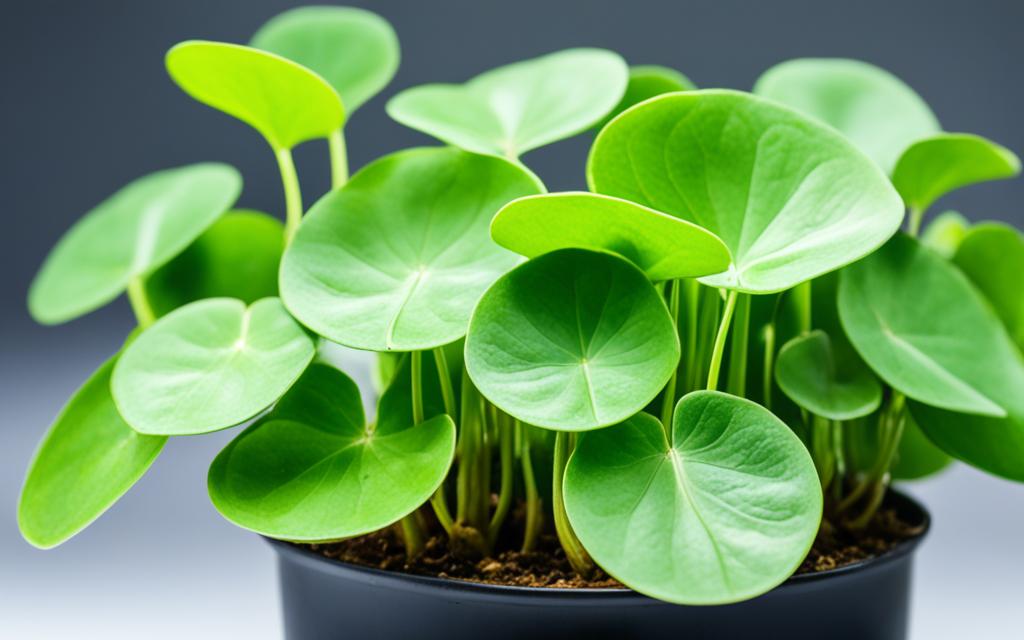
The Chinese Money Plant, scientifically known as Pilea peperomioides, has captivated the hearts of houseplant enthusiasts worldwide. With its distinctive coin-shaped leaves and easy-going nature, it's no wonder this plant has become a social media darling and a staple in countless indoor plant collections. Also affectionately called the Pancake Plant or UFO Plant, the Pilea is renowned for its ability to infuse any space with a sense of calm and happiness. Beyond its aesthetic appeal and minimal care requirements, one of its most alluring qualities is how incredibly simple it is to expand your collection.
Imagine having a lush display of these charming plants gracing every room, or perhaps sharing their joy with friends and family. The good news? You don't need to purchase new plants every time. Learning how to propagate Chinese Money Plant cuttings is a fast, cheap, and immensely satisfying way to grow your Pilea family for free. This comprehensive guide will walk you through the simple steps, tips, and tricks to successfully propagate your beloved Chinese Money Plant, turning one into many with minimal effort.
Why Propagate Chinese Money Plants? Expand Your Green Oasis for Free!
The allure of the Chinese Money Plant goes beyond its unique looks. These compact beauties fit effortlessly into any corner of your home, requiring no more attention than your average houseplant. But what if you're smitten and dream of a house filled with these fascinating specimens without breaking the bank? That's where the magic of propagation comes in.
- Cost-Effective Expansion: The most obvious benefit is creating brand new plants without any additional cost. You simply utilize parts of your existing, healthy plant.
- Share the Love: Propagating is an excellent way to grow plants for gifting. A propagated Pilea makes a thoughtful, personalized present that keeps on giving. Friends and family will appreciate a new plant, especially one so easy to care for. If you're looking for more reasons to share, explore our guide on Grow More Pilea: Propagate Your Social Media Darling for Free.
- Fill Your Home: Easily achieve that coveted "plant-filled" aesthetic by multiplying your favorite Pilea, placing them on shelves, desks, or windowsills throughout your living space.
- Gardener's Satisfaction: There's immense joy and a sense of accomplishment in nurturing a tiny cutting into a thriving plant. It deepens your connection to the natural world and hones your gardening skills.
- Abundance of Benefits: Beyond aesthetics, Chinese Money Plants are often associated with good fortune and positive Feng Shui. They also contribute to improved air quality and can offer a significant mental health boost, making an abundance of them even more appealing.
The fact that Pilea roots incredibly quickly means you won't have to wait long to see the fruits of your labor. In gardening time, they grow into full, vibrant plants in the blink of an eye!
Understanding Your Chinese Money Plant: The Pilea Peperomioides
Before diving into propagation, it’s helpful to understand a little more about this intriguing plant. The Pilea peperomioides has accumulated a fascinating array of common names, all stemming from its distinctive appearance. "Pancake Plant" and "UFO Plant" are popular monikers, thanks to its flat, perfectly rounded leaves that perch on slender stems, resembling mini green discs floating in the air.
Despite its current widespread popularity, the Chinese Money Plant was a relative rarity in the houseplant world for a long time. Its recent surge to stardom can largely be attributed to social media, where its photogenic qualities and ease of care made it an instant hit among plant enthusiasts. It’s not just a fleeting trend, however; this resilient plant can thrive for over a decade under proper conditions, offering years of green companionship and photographic opportunities.
Interestingly, the specific epithet "peperomioides" alludes to its striking resemblance to another beloved houseplant, the Peperomia. However, don't let the name fool you. Pilea actually belongs to an entirely different botanical family, Urticaceae, which surprisingly places it more closely related to nettles than to the Radiator Plants (Peperomia). This unique lineage adds another layer of intrigue to its charm.
Knowing your plant better enhances your propagation journey, helping you to appreciate its characteristics and respond to its needs more effectively. Now, let’s explore the most effective ways to multiply these captivating plants.
How To Propagate Chinese Money Plant: Cuttings Made Easy
Propagating Chinese Money Plants is remarkably straightforward, making it an ideal project for both seasoned gardeners and beginners. The primary methods involve taking cuttings directly from the mother plant. With just a few simple tools and a little patience, you'll be well on your way to a thriving Pilea collection.
Propagating Chinese Money Plants from Stem Cuttings
Stem cuttings are arguably the most popular and reliable method for achieving new Pilea plants. This process involves taking a section of the main stem, encouraging it to root, and then growing it into an independent plant.
- Select a Healthy Stem: Look for a vigorous, established stem on your mother plant that has at least 3-4 healthy leaves. Avoid any stems that appear weak, discolored, or diseased.
- Make a Clean Cut: Using a sharp, sterilized knife or pair of pruning shears, cut the stem about 1-2 inches below a leaf node (the point where a leaf emerges from the stem). A clean cut minimizes damage and reduces the risk of infection. Sterilizing your tools with rubbing alcohol before and after each cut is crucial to prevent the spread of diseases.
- Prepare the Cutting: Gently remove any leaves from the bottom 1-2 inches of the cutting. This ensures that no leaves will be submerged in water (if propagating in water) or buried in soil, which can lead to rot. You should be left with a bare stem section at the bottom and a few healthy leaves at the top.
- Choose Your Rooting Medium:
- Water Propagation: This is a favorite method for many due to its simplicity and the fascinating ability to watch roots develop. Place the prepared cutting into a clear glass or jar filled with clean, room-temperature water, ensuring the bare stem is submerged but no leaves are in the water. Place the container in a spot with bright, indirect light. Change the water every few days to keep it fresh and prevent bacterial growth. You should see roots starting to form within 2-4 weeks.
- Soil Propagation: For a more direct approach, you can plant your cutting directly into a small pot filled with well-draining potting mix. A good mix might include perlite or sand for aeration. Create a small hole in the center of the soil, insert the cutting, and gently firm the soil around it. Water thoroughly and keep the soil consistently moist but not waterlogged. You can also dip the cut end in rooting hormone powder before planting, though it's often not necessary for Pilea, as they root readily.
- Provide Ideal Conditions & Aftercare: Regardless of your chosen medium, place your cuttings in a warm location with bright, indirect light. Avoid direct sunlight, which can scorch the tender cuttings. If propagating in water, once the roots are about 1-2 inches long (typically 4-6 weeks), you can transplant the cutting into a small pot with fresh potting mix. Continue to keep the soil consistently moist as the plant establishes itself. For a detailed beginner's guide, check out Chinese Money Plant Propagation: A Beginner's Guide to Pilea.
Propagating Chinese Money Plants from Leaf Cuttings
While often successful for rooting, propagating a full new plant from a single leaf cutting of a Pilea is generally less reliable than using stem cuttings or offsets. Many plants, like African Violets, readily produce new plants from a single leaf, but Pilea often only produces roots from a leaf cutting, without developing a new growth point for foliage.
- Select a Healthy Leaf: Choose a mature, healthy leaf that has its petiole (leaf stalk) attached.
- Making the Cut: Carefully cut the leaf and its petiole from the main stem. If possible, try to get a tiny sliver of the main stem tissue attached to the base of the petiole; this can sometimes increase the chances of a new growth point forming.
- Rooting Medium:
- Water: Place the leaf petiole into a small glass of water, ensuring only the petiole is submerged.
- Soil: Plant the petiole into a well-draining potting mix, burying about half an inch to an inch of the stalk.
- Care and Expectations: Keep the leaf cutting in bright, indirect light and maintain consistent moisture (for soil) or regularly changed water (for water). Roots will likely form within a few weeks. However, as mentioned, the development of a new plant from a single leaf is rare for Pilea. This method is more experimental and less consistently yields a complete new plant compared to stem cuttings.
Another incredibly easy way Chinese Money Plants multiply is through "pups" or offsets that grow from the soil at the base of the mother plant. These are essentially mini clones with their own root systems, and once they're a few inches tall, they can be carefully separated and potted up directly for an almost guaranteed new plant.
Essential Tips for Successful Pilea Propagation
While Chinese Money Plants are forgiving, a few key practices will significantly boost your propagation success rate:
- Sterilization is Key: Always use clean, sharp scissors or a knife for making your cuts. Sterilize them with rubbing alcohol before and after use to prevent the spread of diseases to both the mother plant and the new cuttings.
- Patience is a Virtue: Propagation takes time. Don't get discouraged if you don't see roots immediately. Some cuttings might take longer than others, especially in cooler conditions.
- Bright, Indirect Light: Cuttings need light to photosynthesize and grow roots, but direct, harsh sunlight can be too intense and cause stress or burning. A north-facing window or a spot a few feet away from a bright, south-facing window is ideal.
- Consistent Temperature and Humidity: Aim for average room temperatures (65-75°F / 18-24°C). Pilea also appreciates moderate to high humidity, especially during the rooting phase. You can create a mini-greenhouse effect by placing a clear plastic bag loosely over potted cuttings.
- Water Quality for Hydroponics: If propagating in water, refresh the water every 2-3 days to keep it oxygenated and free of bacteria or algae.
- Well-Draining Potting Mix: For soil propagation and eventual potting, use a good quality, well-draining potting mix. A mix designed for houseplants, often containing perlite or sand, will prevent waterlogging and promote healthy root development.
- Don't Rush Transplanting: For water-rooted cuttings, wait until the roots are at least 1-2 inches long before moving them to soil. This gives them a better chance of adjusting to their new environment.
- Avoid Overwatering: While new cuttings need moisture, especially in soil, overwatering can quickly lead to rot. Always check the soil moisture before watering again.
By following these simple guidelines, you’ll maximize your chances of success and soon have an abundance of thriving Chinese Money Plants.
Conclusion
Learning how to propagate Chinese Money Plant from cuttings is a rewarding and surprisingly easy endeavor that unlocks a world of possibilities for your indoor garden. Whether you're looking to expand your collection, share the joy of these unique plants with loved ones, or simply revel in the satisfaction of growing something new, Pilea propagation is an accessible and fun project. With healthy stem cuttings, the right conditions, and a touch of patience, you'll soon be surrounded by a verdant display of these charming "Pancake Plants." So grab your sterilized shears, choose a healthy stem, and embark on your journey to a bigger, greener Pilea family today!