Grow More Pilea: Propagate Your Social Media Darling for Free
The allure of the Chinese Money Plant, scientifically known as *Pilea peperomioides*, is undeniable. With its iconic, coin-shaped leaves and effortless charm, it has become a true social media darling and a staple in countless indoor plant collections. More than just a pretty face, the Pilea is renowned for diffusing happiness and fostering a calm, vibrant environment. Even better, its low-maintenance nature makes it a fantastic choice for both seasoned plant parents and budding enthusiasts.
But what if you're smitten with this "Pancake Plant" and dream of an entire army of them adorning your shelves, desks, and windowsills? The exciting news is you don't need to break the bank buying more. The magic of propagation allows you to effortlessly multiply your existing plant, creating new specimens for free! Learning
how to propagate Chinese Money Plant is a rewarding and surprisingly simple process that unlocks a world of endless Pilea possibilities.
Understanding the Allure of the Chinese Money Plant (*Pilea peperomioides*)
Before we dive into the propagation techniques, let's take a moment to appreciate why the Pilea holds such a special place in the houseplant community. Also affectionately known as the UFO Plant, Missionary Plant, or just Pilea, its distinctive flat, circular leaves on slender stems evoke images of floating saucers or stacks of pancakes, hence its charming nicknames.
This fascinating plant, native to the Yunnan and Sichuan provinces of China, took a while to make its global debut in the houseplant world. However, thanks to the power of social media, its unique aesthetics and relatively easy care requirements propelled it to superstardom. Unlike many other trendy houseplants, the *Pilea peperomioides* is incredibly forgiving, thriving in a variety of indoor conditions and often living for more than a decade if given proper attention. This longevity provides ample opportunity not only for countless photos but also for numerous propagation cycles.
While its appearance might suggest a kinship with plants like Peperomia, the Pilea actually belongs to the Urticaceae family – making it a distant relative of nettles! Beyond its captivating looks, many people seek out the Chinese Money Plant for its purported Feng Shui benefits, believed to attract wealth and good fortune. Regardless of the reason, its calming presence and vibrant green foliage offer a significant mental health boost, contributing to a more peaceful and aesthetically pleasing home.
Why Propagate Your Pilea? The Benefits Beyond Aesthetics
Why should you bother with propagation when you can just buy another plant? The answer lies in a multitude of benefits that extend far beyond simply acquiring more greenery. Propagating your Chinese Money Plant is:
- Economical: This is arguably the biggest draw. You can grow brand new, healthy Pilea plants from your existing one without spending a single penny. It’s the ultimate DIY approach to expanding your plant collection.
- Sustainable: Propagation is an eco-friendly practice. By growing plants from your own cuttings or offsets, you reduce the demand for commercially grown plants, which often involve significant resources for production and transportation.
- Rewarding: There’s immense satisfaction in watching a tiny cutting or offset develop roots and grow into a full-fledged plant. It's a wonderful way to connect with nature and observe the miracle of life unfolding in your own home.
- Perfect for Sharing: Pilea are known for producing "pups" or baby plants. Once these are rooted, they make fantastic, heartfelt gifts for friends, family, and fellow plant enthusiasts. Share the joy and spread the Pilea love!
- A Learning Experience: Engaging in propagation hones your gardening skills and deepens your understanding of plant biology. It's a practical, hands-on lesson in plant care that builds confidence.
- Maintains Plant Health: Removing offsets (pups) from the mother plant can sometimes even encourage the parent plant to put more energy into its own growth, making it healthier and more vigorous.
In essence, propagation transforms your single beloved Pilea into an endless source of joy, gifts, and green decor.
Essential Tools and Preparation for Successful Pilea Propagation
The beauty of propagating Chinese Money Plants is that it doesn't require an elaborate setup or specialized equipment. You likely already have most of what you need. Here's a quick checklist:
- Sharp, Sterile Cutting Tool: A clean, sharp knife, razor blade, or pair of pruning shears is crucial. Sterilize your tool with rubbing alcohol before each cut to prevent the spread of diseases.
- Small Pots or Containers: Choose pots with drainage holes, roughly 2-4 inches in diameter, for your new Pilea babies.
- Well-Draining Potting Mix: A standard houseplant potting mix amended with perlite or coarse sand for extra drainage works perfectly.
- Clear Glass of Water (Optional): If you plan to root your cuttings in water, a small glass or jar is all you need.
- Rooting Hormone (Optional): While Pilea roots readily without it, rooting hormone can sometimes accelerate the process and increase success rates, especially for stem or leaf cuttings.
- Gloves (Optional): While Pilea isn't known to be irritating, some prefer wearing gloves when handling plants and soil.
Preparation Tips:
The best time to propagate your Pilea is during its active growing season, typically spring or summer. This is when the plant is putting out new growth and has the most energy to dedicate to rooting. Always select a healthy, vibrant parent plant for propagation, as cuttings from stressed or diseased plants are less likely to succeed.
The Pilea is wonderfully generous, offering two reliable methods for propagation: taking offsets (or "pups") and using stem or leaf cuttings. Both are straightforward, but each has its nuances.
1. Propagating from Offsets (Pups)
This is often considered the easiest and most successful method, as these "pups" are essentially miniature clones of the parent plant, often already equipped with a rudimentary root system.
- Identify the Offsets: Look for small, individual Pilea plants emerging from the soil around the base of the mother plant. These are your offsets. They usually have their own little stem and leaves.
- Carefully Detach: Gently dig into the soil around the base of the offset to expose its connection to the mother plant. Using your sterile knife, make a clean cut as close to the mother plant's stem as possible, ensuring the offset retains as many of its own roots as possible. Some offsets might even come off easily with a gentle tug.
- Pot or Water Root:
- Soil Method: Plant the offset directly into a small pot filled with well-draining potting mix. Ensure the roots are covered and the base of the stem is just below the soil line. Water thoroughly.
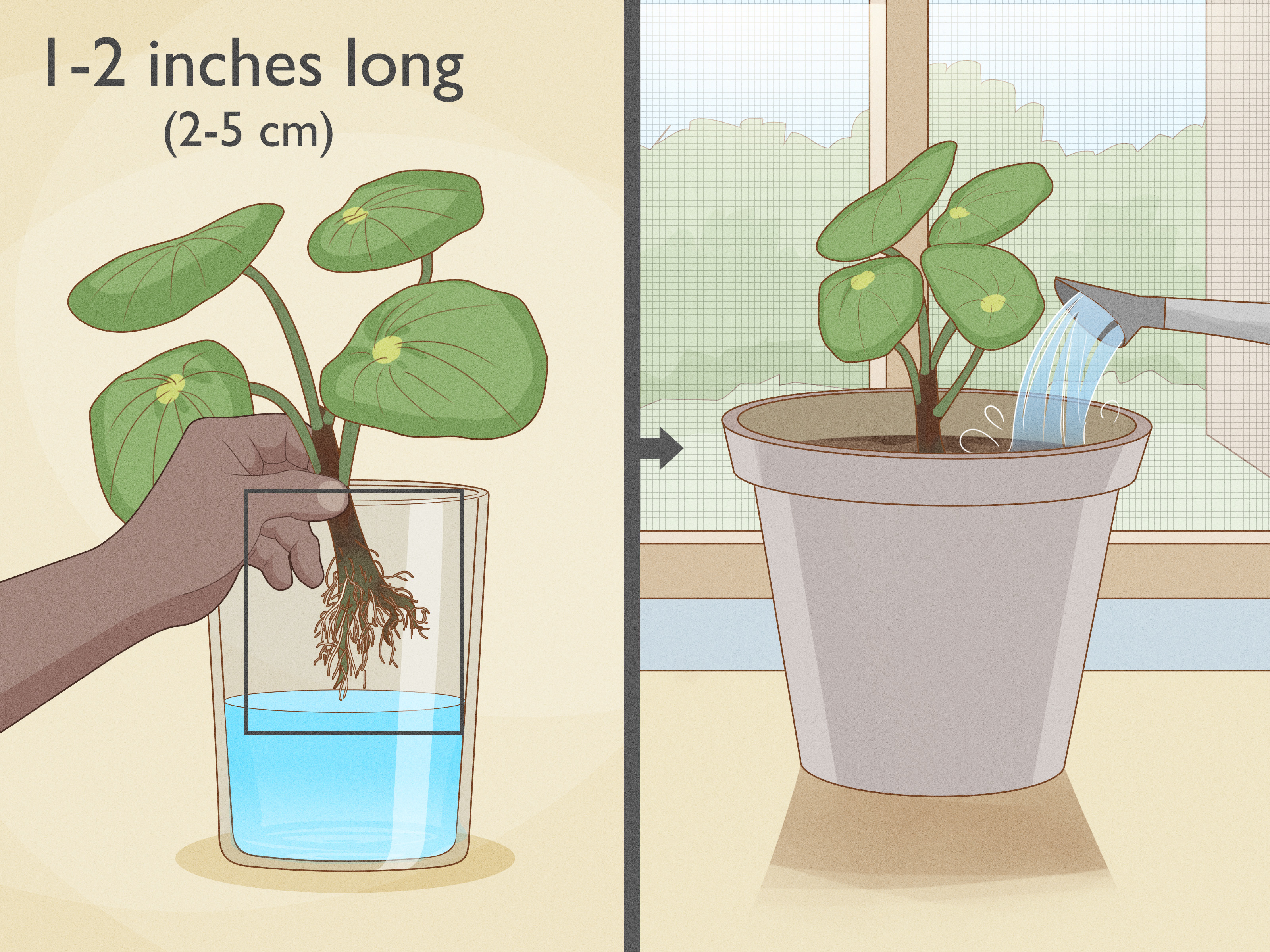
- Water Method: If the offset has very few or no roots, you can place it in a small glass of water, ensuring only the base of the stem is submerged. Change the water every few days to prevent rot. Roots should begin to appear within 1-3 weeks. Once roots are about an inch long, you can transfer it to soil.
- Initial Care: Place your newly potted offset in a spot with bright, indirect light. Keep the soil consistently moist but not waterlogged. New growth is a sign of successful rooting!
2. Propagating from Stem or Leaf Cuttings
This method is ideal if your Pilea isn't producing many pups, or if you want to prune your plant and utilize the removed sections.
Stem Cuttings:
- Select a Healthy Stem: Choose a healthy stem with several leaves, preferably one that is a few inches long.
- Make the Cut: Using your sterile tool, cut the stem below a node (the point where a leaf emerges from the main stem). This node is where new roots will form.
- Prepare the Cutting: Remove the bottom 1-2 leaves to expose the nodes. If desired, you can dip the cut end in rooting hormone.
- Rooting in Water: Place the cutting in a glass of water, ensuring the exposed nodes are submerged. Change the water every 2-3 days. Roots typically emerge within 2-4 weeks. Once roots are about an inch long, transplant to soil.
- Rooting in Soil: Plant the cutting directly into moist, well-draining potting mix, burying the exposed nodes. Gently firm the soil around the base.
- Initial Care: Whether in water or soil, place the cutting in bright, indirect light. If in soil, keep the soil consistently moist. Consider covering with a clear plastic bag or dome for the first few weeks to create a humid microclimate, but ensure good air circulation to prevent mold.
Leaf Cuttings:
While possible, leaf cuttings are generally less reliable for producing a full plant and can be slower than stem cuttings or offsets. They often root but sometimes only produce a new plant from the petiole (leaf stem), not a full, branched plant.
- Select a Mature Leaf: Choose a healthy, mature leaf that still has its entire petiole attached.
- Make the Cut: Cut the petiole where it meets the main stem.
- Planting: Insert the petiole into moist, well-draining potting mix, ensuring the base of the leaf is just above the soil line.
- Care: Treat similarly to stem cuttings in soil – bright, indirect light and consistent moisture. Patience is key here, as this method can take longer to show results.
Post-Propagation Care and Troubleshooting for Your New Pilea
Once your Pilea babies have rooted, whether in water or soil, the journey doesn't end there. Proper care will ensure they grow into robust, beautiful plants.
- Light: Provide bright, indirect light. A north or east-facing window is often ideal. Avoid harsh, direct sunlight, which can scorch the delicate leaves.
- Watering: Keep the soil consistently moist but never soggy. Allow the top inch or two of soil to dry out between waterings. Overwatering is a common killer for new plants, leading to root rot.
- Humidity: While Pileas are generally adaptable, they appreciate higher humidity. Misting occasionally or placing them near a humidifier can be beneficial.
- Temperature: Maintain average room temperatures, ideally between 65-75°F (18-24°C). Avoid cold drafts or sudden temperature fluctuations.
- Patience: Rooting and new growth can take time. Don't be discouraged if it doesn't happen overnight. Some cuttings are faster than others.
Troubleshooting Common Issues:
- Yellowing Leaves: Often a sign of overwatering or nutrient deficiency. Check soil moisture and ensure good drainage.
- Drooping Leaves: Can indicate underwatering (leaves will perk up after watering) or, less commonly, root rot from overwatering.
- No New Growth: Ensure adequate light, warmth, and consistent moisture. Sometimes, cuttings are simply taking their time to establish roots before pushing out new leaves.
Propagating your Chinese Money Plant is an incredibly fulfilling aspect of houseplant care. It's a testament to the plant's resilience and generosity, allowing you to expand your collection, share with loved ones, and immerse yourself in the joys of nurturing new life.
Conclusion
The Chinese Money Plant truly lives up to its reputation as a "social media darling" and an absolute joy to cultivate. Its ease of care is surpassed only by the simplicity and satisfaction of its propagation. By understanding the plant's basic needs and applying these straightforward propagation techniques for either offsets or cuttings, you can effortlessly transform one beloved Pilea into an abundance of vibrant, mood-boosting greenery. So, grab your sterile shears, choose your method, and embark on the gratifying journey of growing more Pilea. You'll not only save money but also gain a deeper appreciation for the wonders of the plant world, one new Pilea baby at a time.