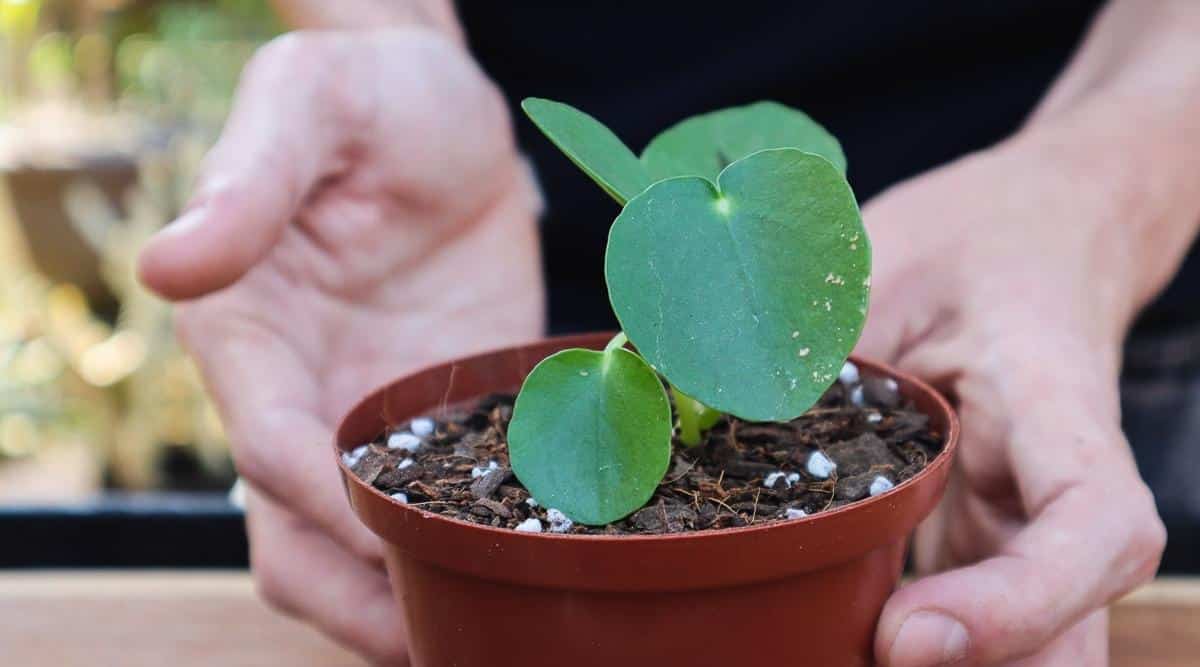
The Allure of the Chinese Money Plant: Your Gateway to Abundant Greenery
Few houseplants capture hearts quite like the Chinese Money Plant, scientifically known as Pilea peperomioides. With its distinctive, coin-shaped leaves and effortless charm, it’s no wonder this plant has become a social media sensation and a staple in countless indoor plant collections. Also affectionately dubbed the Pancake Plant or UFO Plant due to its unique foliage, the Pilea is renowned not only for its captivating appearance but also for its remarkably low-maintenance nature, making it an ideal choice for both seasoned plant enthusiasts and absolute beginners.
Beyond its aesthetic appeal, the Pilea is often celebrated for contributing to a calming environment and even bringing good fortune according to Feng Shui principles. But what if you could multiply this source of happiness and beauty without breaking the bank? This comprehensive guide will show you how to propagate Chinese Money Plant with ease, transforming one beloved Pilea into an army of vibrant, new specimens.
Why Propagate Your Pilea? The Joy of Sharing and Expanding Your Collection
Imagine filling your home with lush, green foliage, or having the perfect, heartfelt gift for every occasion, all without spending a dime. That's the magic of propagation, and with the Chinese Money Plant, it's particularly straightforward and rewarding. Here are some compelling reasons why you should consider propagating your Pilea:
- Cost-Effective Expansion: Growing your plant collection can get expensive, but propagation offers a free and efficient way to add more Pileas to your home. You'll never need to buy another one!
- Share the Love: Chinese Money Plants are often called 'Pass-It-On Plants' because they readily produce offsets, making them perfect for sharing with friends, family, or fellow plant lovers. Imagine the joy of gifting a thriving plant that originated from your own. For more inspiration on expanding your collection for free, you might enjoy reading Grow More Pilea: Propagate Your Social Media Darling for Free.
- Renew Your Mother Plant: As your Pilea matures, propagation can encourage bushier growth and rejuvenate the mother plant, ensuring it remains healthy and vibrant for years to come. These plants can live for over 10 years in proper conditions, providing ample opportunities for propagation.
- Educational & Rewarding: There’s a unique satisfaction in watching new life emerge from a simple cutting or offset. It’s a fantastic way to deepen your understanding of plant biology and cultivate a green thumb.
Mastering the Art of Pilea Propagation: Methods Explained
The good news is that Chinese Money Plants are incredibly receptive to propagation, often rooting quickly and growing into full-sized plants in what feels like the blink of an eye (in gardening terms, of course!). There are two primary, highly successful methods for Pilea propagation: using offsets (or pups) and taking cuttings (both stem and leaf).
Propagating Pilea from Offsets (Pups)
This is arguably the easiest and most common method for how to propagate Chinese Money Plant, especially for beginners. As your Pilea matures, it will naturally produce small "pups" or "plantlets" that emerge from the soil around the base of the main stem, or sometimes even from the stem itself.
- Identify Ready Pups: Wait until the pups are at least 2-3 inches tall and have developed a few leaves of their own. This ensures they are strong enough to survive on their own.
- Gather Your Tools: You'll need a sharp, sterilized knife or a clean pair of snips, a small pot (around 3-4 inches), and well-draining potting mix.
- Careful Separation: Gently dig around the base of the mother plant to expose the roots of the pup. Using your sterilized tool, carefully cut the runner that connects the pup to the mother plant. Aim to include a small section of the pup's root system if possible, though many will root even without extensive initial roots.
- Potting Your New Plant: Plant the separated pup into its own small pot filled with moist, well-draining soil. Gently firm the soil around the base to provide support.
- Initial Care: Place the newly potted pup in a spot with bright, indirect light. Keep the soil consistently moist but not waterlogged for the first few weeks as it establishes its root system. You can even cover it with a clear plastic bag temporarily to create a mini-greenhouse effect and boost humidity, though this is often not strictly necessary for Pilea pups.
Propagating Pilea from Cuttings: Stem vs. Leaf
Propagating from cuttings is another effective way to multiply your Pilea, offering a good alternative if your plant isn't producing many offsets, or if you want to prune your plant back.
Stem Cuttings
Stem cuttings are generally more reliable than leaf cuttings for producing a full, new plant quickly, as they contain stem tissue and nodes where new growth readily emerges.
- Select a Healthy Stem: Choose a healthy stem about 3-4 inches long with at least 3-4 leaves. Ensure the stem is robust and free from any signs of disease or pest damage.
- Make the Cut: Using a sharp, sterilized knife or scissors, cut the stem about half an inch below a leaf node (the point where a leaf attaches to the stem). Remove any lower leaves that would be submerged in water or buried in soil to prevent rot.
- Rooting in Water (Popular Method):
- Place the cutting in a clear glass jar or vase filled with clean water, ensuring at least one node is submerged.
- Change the water every few days to keep it fresh and oxygenated.
- Place the jar in a location with bright, indirect light.
- Roots typically begin to form within 2-4 weeks. Once the roots are 1-2 inches long, the cutting is ready for potting.
- Rooting in Soil (Direct Method):
- Dip the cut end of the stem in rooting hormone (optional, but can accelerate root development).
- Plant the cutting directly into a small pot filled with moist, well-draining potting mix. Ensure at least one node is buried.
- Keep the soil consistently moist and place the pot in bright, indirect light. You can also cover it with a plastic bag to maintain humidity.
- Rooting in soil can take a bit longer to show visible signs of success, but it avoids the "transplant shock" sometimes experienced when moving water-rooted cuttings to soil.
Leaf Cuttings
While possible, propagating Pilea from leaf cuttings is often less straightforward for beginners and can be slower. It's crucial to include a small piece of the stem (the petiole) attached to the leaf, as new growth typically originates from this stem tissue.
- Select a Healthy Leaf with Stem: Carefully cut a healthy leaf, ensuring you retain at least an inch or two of its petiole (the leaf stalk).
- Rooting Process: You can root leaf cuttings in water or soil, similar to stem cuttings. Bury the petiole end in moist soil or submerge it in water.
- Patience is Key: This method can take several weeks or even months to show signs of new growth. Sometimes, the leaf will root but may not produce a new plant unless the proper stem tissue was included.
For a deeper dive into propagating Pilea specifically from cuttings, be sure to check out our detailed guide: How to Easily Propagate Chinese Money Plants from Cuttings.
Nurturing Your New Pilea Babies: Essential Aftercare
Once your pups are potted or your cuttings have developed a robust root system, consistent care is paramount to ensure their healthy growth:
- Light: Provide bright, indirect light. Avoid direct, harsh sunlight, which can scorch their delicate leaves. A north or east-facing window is often ideal.
- Watering: Water when the top inch or two of soil feels dry to the touch. Pileas prefer consistently moist soil but absolutely despise soggy conditions, which can lead to root rot. Good drainage is non-negotiable.
- Humidity: While not overly fussy, Pileas appreciate average to slightly higher humidity. Grouping them with other plants or using a pebble tray can help. Newly rooted cuttings often benefit from a bit more humidity initially.
- Potting Mix: Use a well-draining, airy potting mix. A standard houseplant mix amended with perlite or orchid bark works wonderfully to prevent compaction and ensure good aeration for the roots.
- Fertilizing: Hold off on fertilizing for the first month or two after propagation. Once established, you can begin feeding them with a balanced liquid fertilizer at half strength every 2-4 weeks during the growing season (spring and summer).
Troubleshooting Common Propagation Challenges
Even with the easiest plants, sometimes things don't go as planned. Here are a few common issues you might encounter when learning how to propagate Chinese Money Plant and their solutions:
- No Roots Forming:
- Cause: Water not being changed, insufficient light, or simply impatience.
- Solution: Ensure you're changing water every few days if rooting in water. Move to a brighter spot (indirect light). Remember that some cuttings just take longer than others; consistent conditions are key.
- Leaves Yellowing or Dropping:
- Cause: Overwatering, underwatering, or transplant shock.
- Solution: Check soil moisture levels. If overwatered, allow the soil to dry out more between waterings. If underwatered, provide a good soak. New propagations can sometimes shed a few leaves as they adjust, which is normal.
- Rotting Cuttings:
- Cause: Too much moisture, lack of oxygen, or non-sterilized tools.
- Solution: Always use sterile tools. If rooting in water, change the water frequently. If in soil, ensure it's well-draining and avoid overwatering. Trim away any rotten parts and try again with a fresh cut if possible.
Patience and observation are your best allies in propagation. Don't be discouraged by a few setbacks; learning is part of the process!
Conclusion
Propagating your Chinese Money Plant is an incredibly rewarding experience that allows you to expand your collection, share with loved ones, and connect more deeply with the natural world. Whether you choose the simple route of separating offsets or delving into the art of stem cuttings, the Pilea peperomioides readily offers up its offspring for a new generation of growth. Embrace the journey, enjoy the process, and soon you'll have an abundance of these delightful "money plants" enriching your home and spreading joy.